Free UK delivery over £35

What Kind Of Notebook Should I Use For My Commonplace Book? (And Can I Just Add It to My Regular Journal?)

9 July 2025
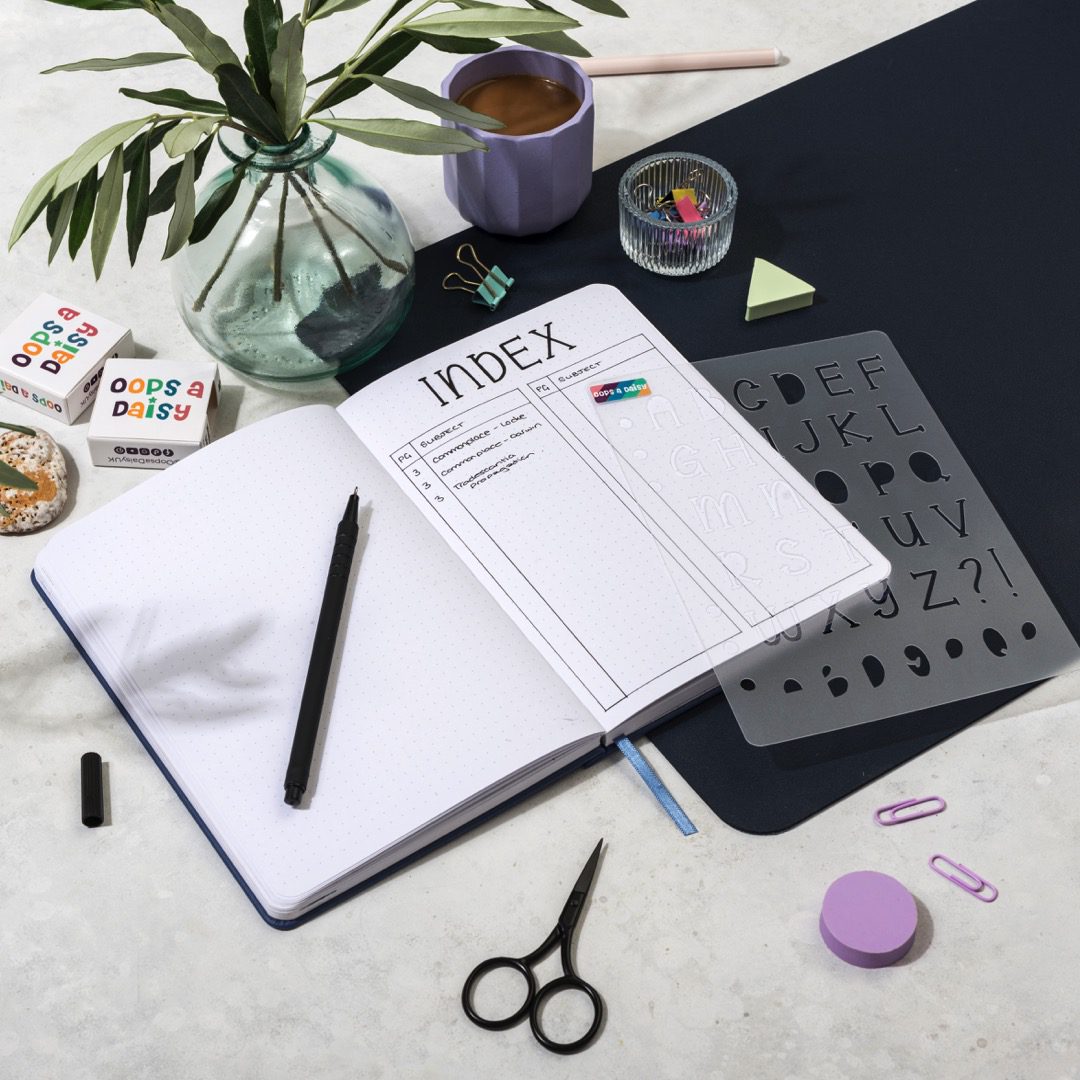
Commonplace - Index - DESK

So, you’re ready to start a commonplace book — your own personal archive of wisdom, quotes, and ideas — but one big question stands in the way:

“What kind of notebook should I use?”
Or maybe even:
“Do I need a separate one, or can I just add it to my regular journal?”

The short answer? There’s no wrong way — but here’s how to choose the right style for you.

With our upcoming Big One Subscription dedicated to the concept, we thought we’d take a deeper dive into commonplacing – first things first. What notebook should you use?
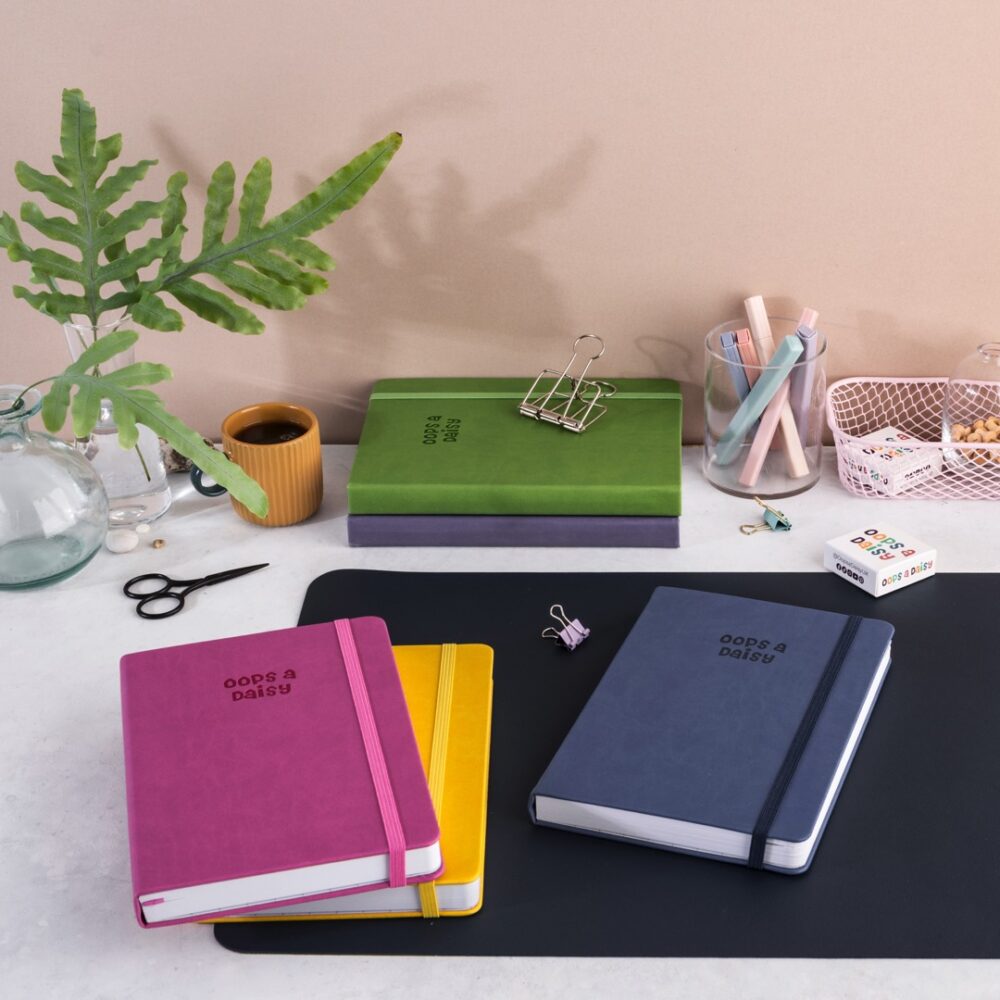
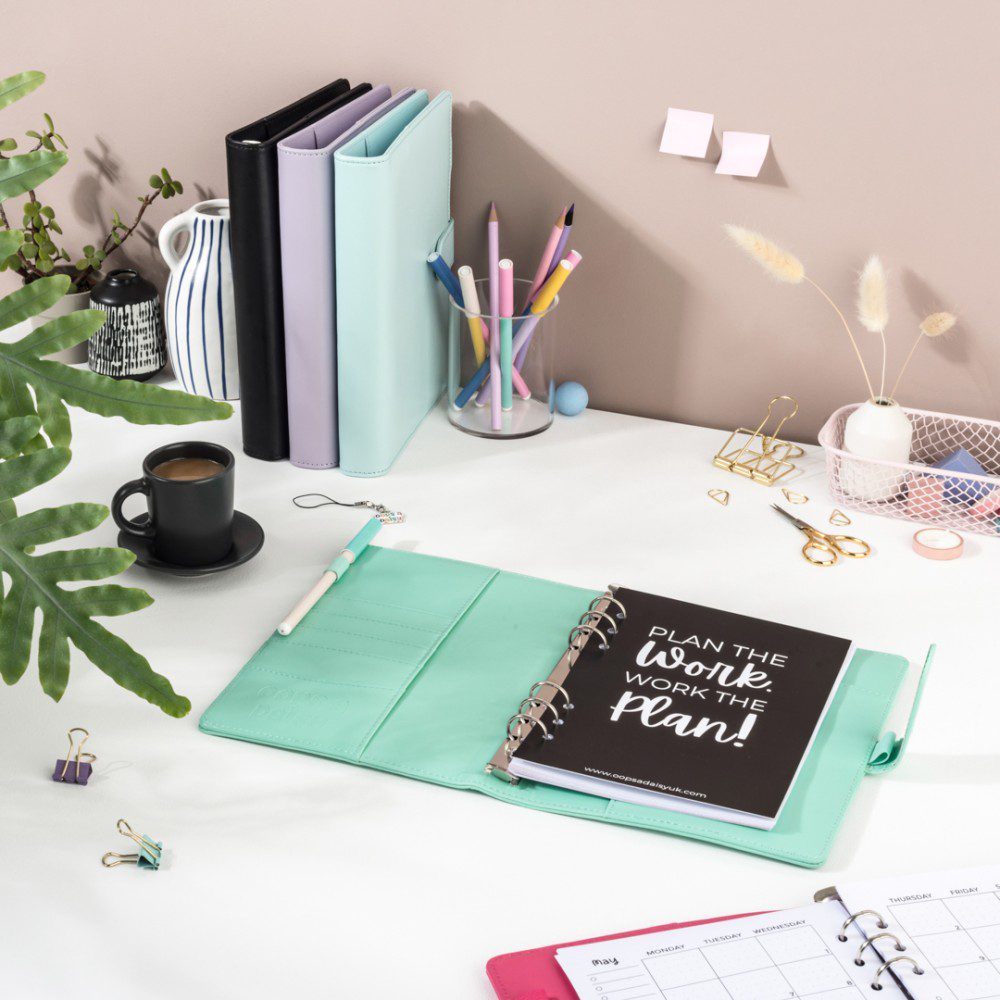
📏 Size: Pocket, A5, or Large?

  • Pocket-sized (A6 or smaller):
    Great for capturing ideas on the go, but space is tight. Better for short quotes or snippets.
  • Classic A5:
    The goldilocks size — easy to carry, big enough to write comfortably. Most popular for commonplace books.
  • Large (B5 or larger):
    Ideal for people who write a lot or want room for sketching, diagrams, or longer reflections.

Tip: If you plan to carry it daily, go for A5 or smaller. If it’s for home use, larger works beautifully.
📚 Binding: Sewn, Sprial or Ringbound?

  • Sewn (hardcover layflat notebooks – e.g. Oops a Daisy Essential Journal):
    Durable and long-lasting. Great for archiving over years.
  • Spiral-bound:
    Lays flat, inexpensive, easy to tear out pages — but not as archival.
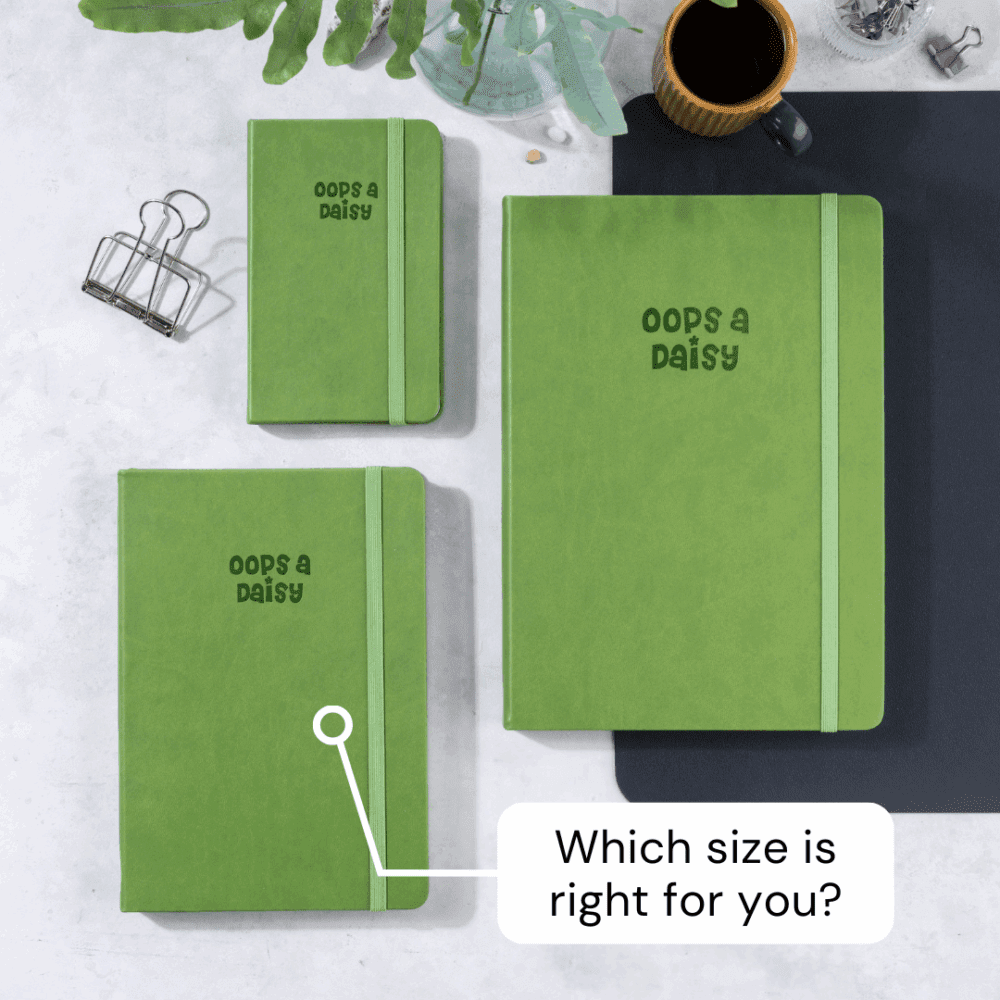
  • Ringbound (e.g. Oops a Daisy Hybrid Planner):
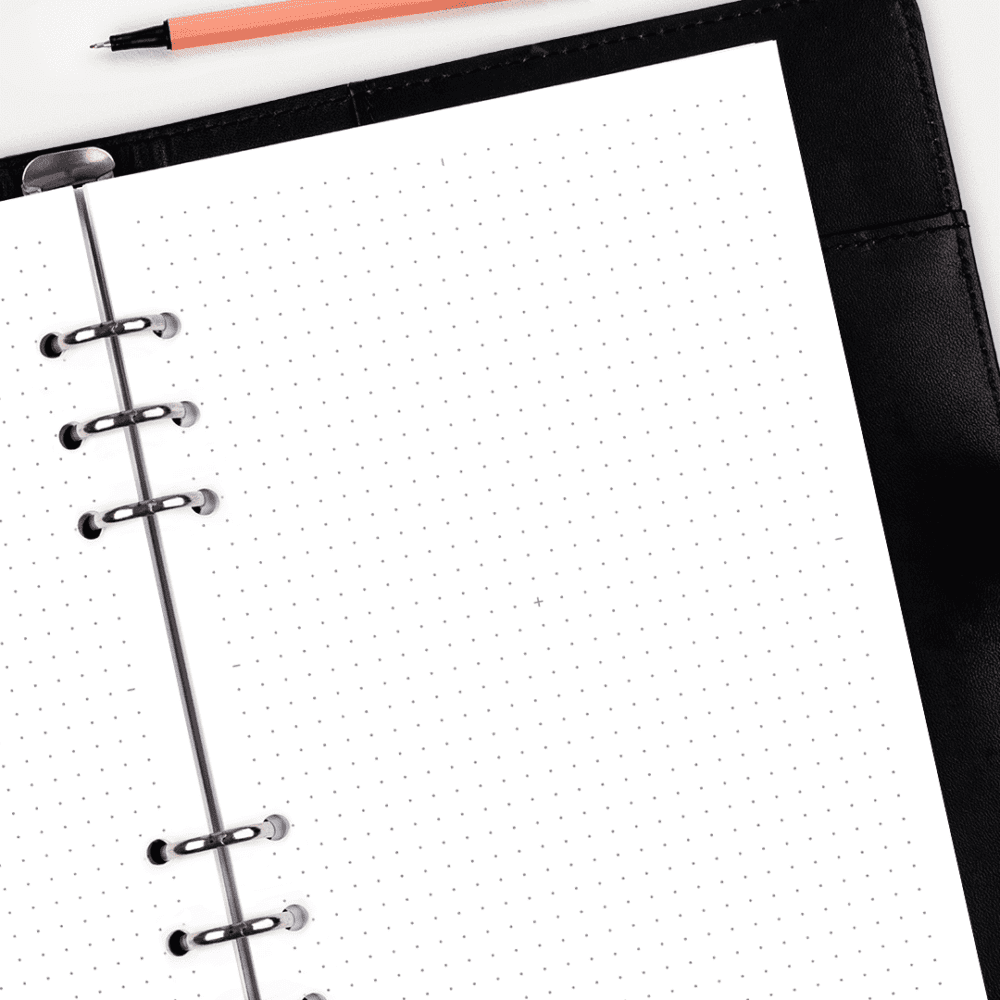
    Lets you reorganize pages, which is great if you like to group entries by theme. A hybrid between a notebook and binder.

🧾 Lined, Dot Grid, or Blank?

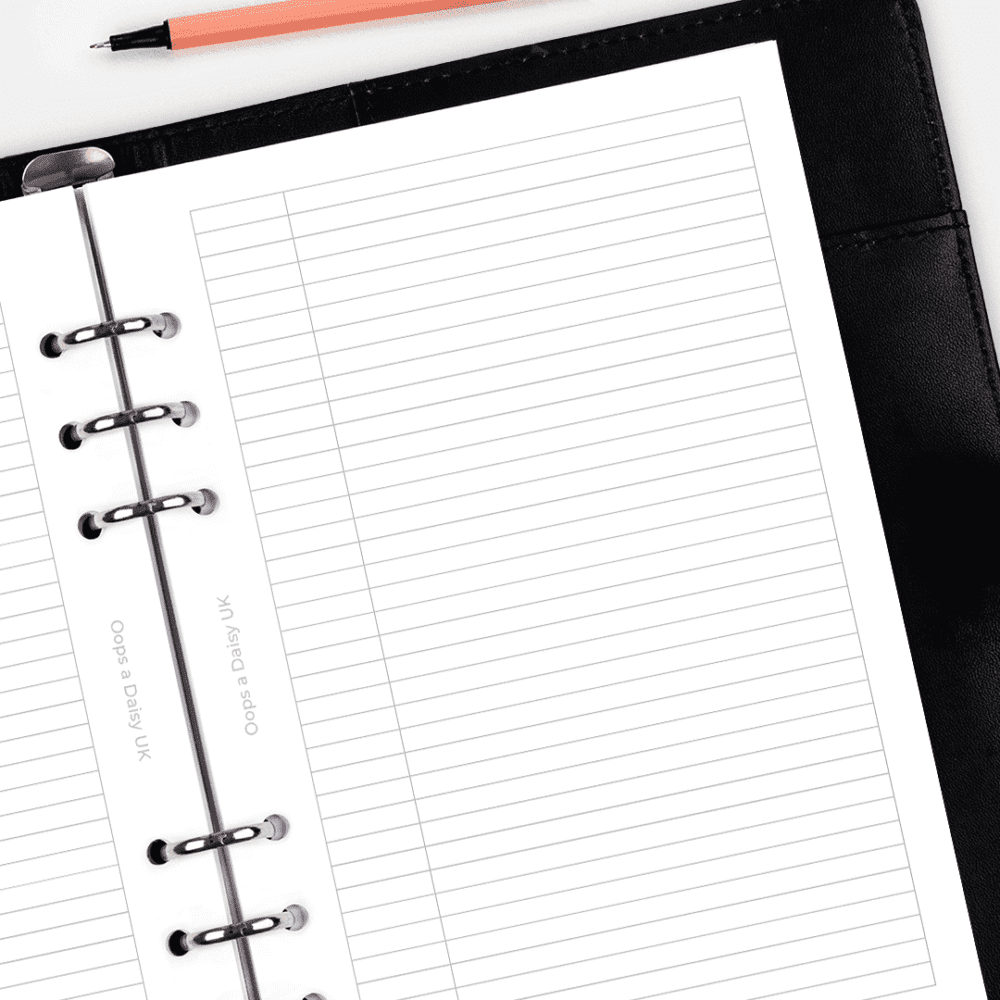
  • Lined:
    Great for straightforward writing and quotes.
  • Dot Grid:
    Offers structure and flexibility — perfect if you want to draw, map ideas, or use bullets/tables.
  • Blank:
    Ideal for visual thinkers or creatives who sketch and diagram more than write.

🗂 Should I Use a Separate Notebook or Combine It with My Journal?

This is a common question — and the answer depends on your goals:

✅ Reasons to Combine It with Your Journal:

  • You already write daily and want everything in one place
  • You’re new to commonplacing and want to experiment
  • You don’t want to carry multiple notebooks

Tip: Just create a section or use a symbol (like ★) in your journal to mark commonplace entries. You can even add a little index in the back.

📓 Reasons to Keep It Separate:

  • You want to revisit quotes and ideas without sifting through personal journal entries
  • You treat your commonplace book as a long-term reference or creative tool
  • You enjoy curating content intentionally

Think of it like this:
Your journal is a mirror; your commonplace book is a library.
🛠 Bonus Tips

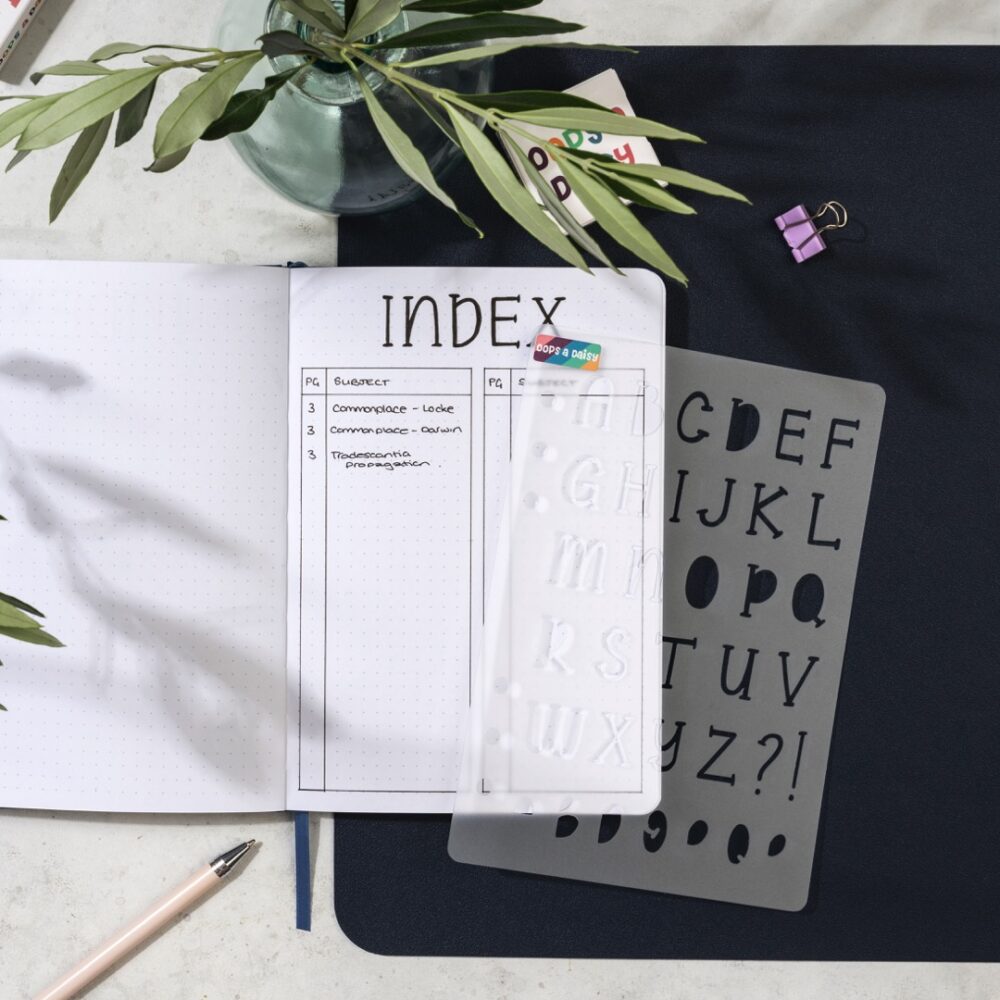
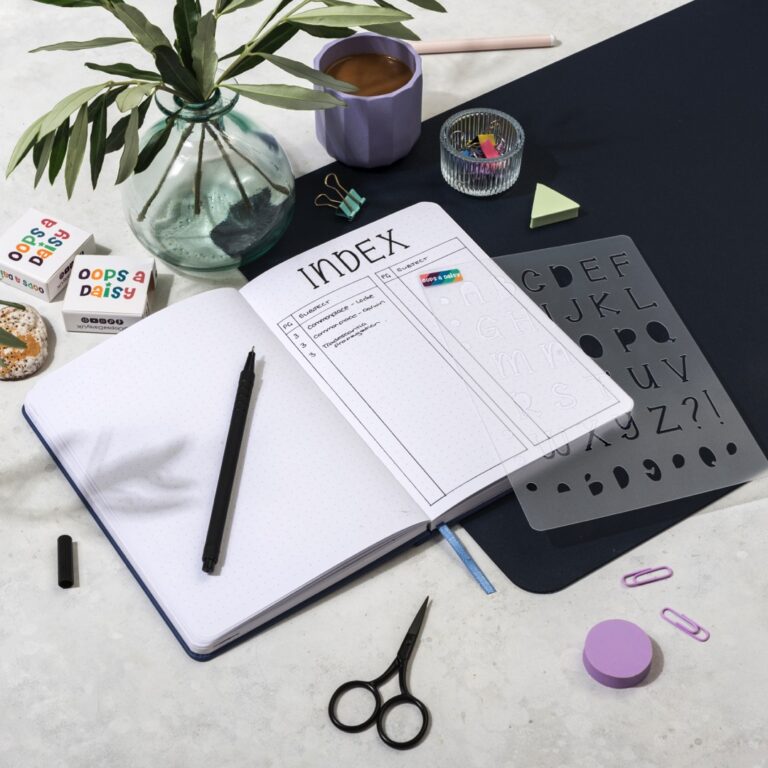
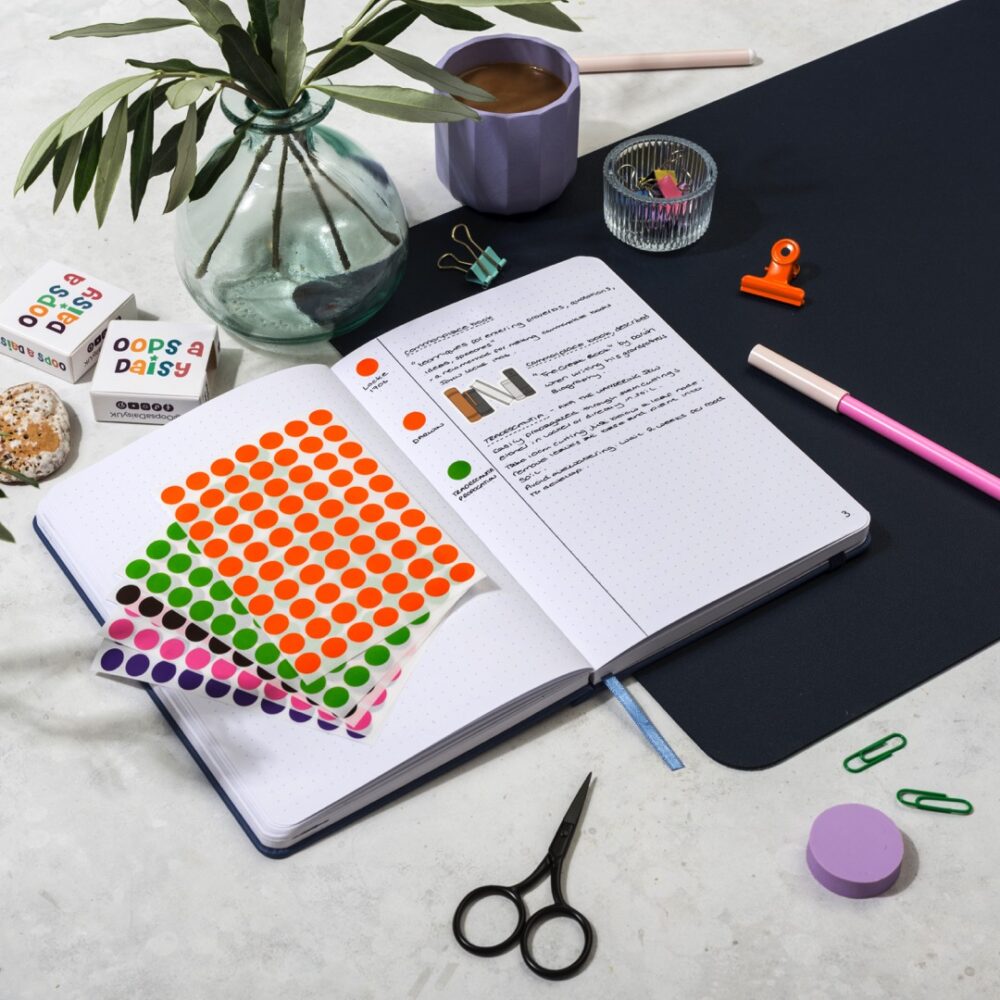
  • Indexing: Save a few pages at the front for a table of contents or key system.
  • Tag entries: Use colours or shortcodes (like PHL for philosophy or CRV for creativity).
  • Use sticky tabs: For frequently referenced themes or standout entries.

Final Thought

You don’t need the perfect notebook to start — you just need to start.

Whether you grab a gorgeous leather-bound journal or repurpose a half-used spiral pad, your commonplace book will grow into a uniquely personal collection of insight and inspiration.

Start where you are. Write what matters. Make it yours.

Interested to try Commonplacing?

The Big One is our quarterly journaling subscription, where we take a deeper dive into a self-care, self-development or productivity concept.

For our September 2025 box we will be exploring the concept of Commonplacing in more depth, with a bumper bundle of tools to help you incorporate the method into your journal.

Subscriptions are now open to new subscribers *while stocks last*
More from the Oops a Daisy blog